Trusted Glasses-free 3D for Real-World Solutions
Use Cases by Industry
Solve real-world challenges and
Solve real-world challenges and
create new value.
Beyond visual effects, discover how our technologies deliver real business impact across industries.
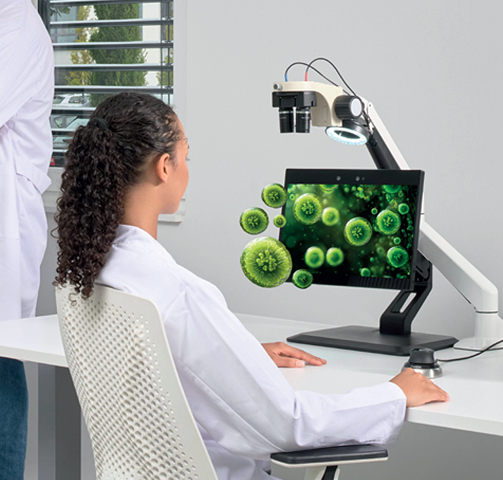
Supports medical and research analysis
Healthcare & Science
- Customers
- Leading university hospitals in KoreaMedical device manufacturers
- Collaboration
- Customers use MOPIC’s Glasses-free 3D monitors and visualization technology for surgical video monitoring, review, and training. This demonstrates the effectiveness of Glasses-free 3D in clinical and research environments.
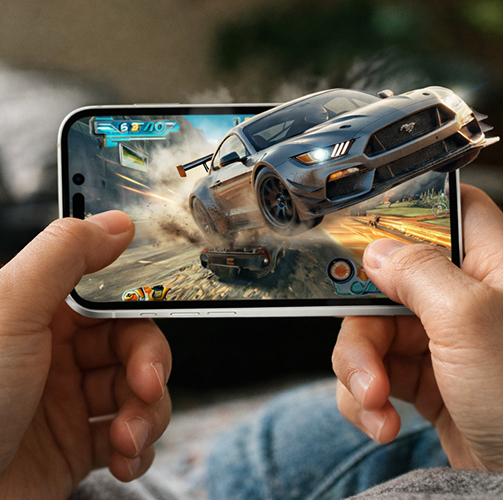
Increases platform engagement
Entertainment & Social Media
- Customers
- Global telecom operatorsContent distributors
- Collaboration
- Customers applied MOPIC’s smartphone Glasses-free 3D solution to their platforms, extending existing mobile content into Glasses-free 3D experiences. By simply attaching a Glasses-free 3D lens to smartphones, they deliver differentiated user experiences and increase content engagement and service usage.
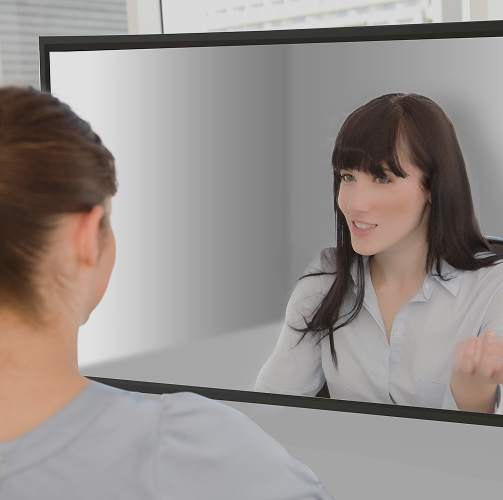
Improves remote communication
Video Call & Remote Control
- Customers
- Global IT companiesIndustrial equipment manufacturers
- Collaboration
- Glasses-free 3D video calls deliver spatial depth and presence during remote communication. This technology is also used for remote monitoring, enhancing traditional video communication.

Enhances learning and training
Education
- Customers
- Educational device manufacturersContent providers
- Application
- Glasses-free 3D visualization is used in simulators for pilot training and professional education. This enables more realistic training environments and helps users understand complex structures and scenarios more intuitively.

Improves design and engineering productivity
Productivity (Design & Engineering)
- Customers
- Global display manufacturers
- Application
- Glasses-free 3D visualization solutions are applied to design, engineering, and industrial display environments. This enables intuitive understanding of shape and spatial structure, improving design accuracy and decision-making speed.